
Social Media Marketing for Home Service Companies
A roofing crew can finish a remarkable replacement, an HVAC technician can restore comfort on a sweltering day, and a landscaping team can transform a front yard—yet prospective customers may never see that work. For home service companies, social media is a way to show what makes the business credible before a homeowner calls or requests an estimate.
A successful social media marketing strategy for contractors does not depend on chasing every trend. It connects useful local content to a clear next step: a phone call, service request, or booked consultation. Here are five tactics home service business owners can apply in 2026.
1. Use Short-Form Video to Show Real Work
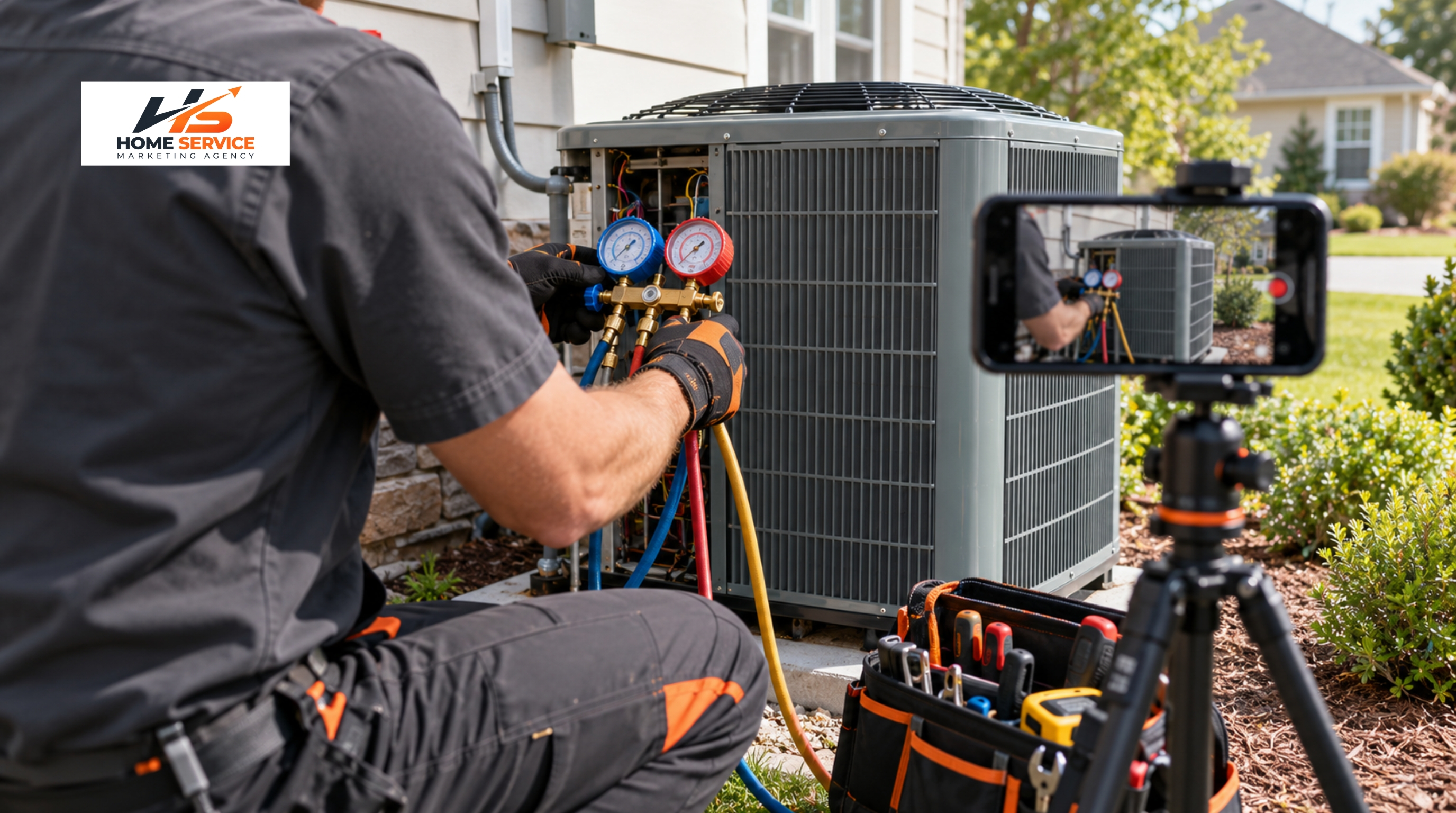
Short-form videos on Instagram Reels, Facebook Reels, YouTube Shorts, and similar formats give contractors a practical way to demonstrate workmanship. Viewers can see a project develop rather than relying only on polished claims.
What should a contractor film?
Roofing: a safe, permission-approved time-lapse of a roof replacement, highlighting material preparation and finished work.
HVAC: a technician explaining a common maintenance issue without exposing a customer’s private information.
Plumbing: a quick demonstration of how the team diagnoses a problem, without encouraging unsafe DIY repairs.
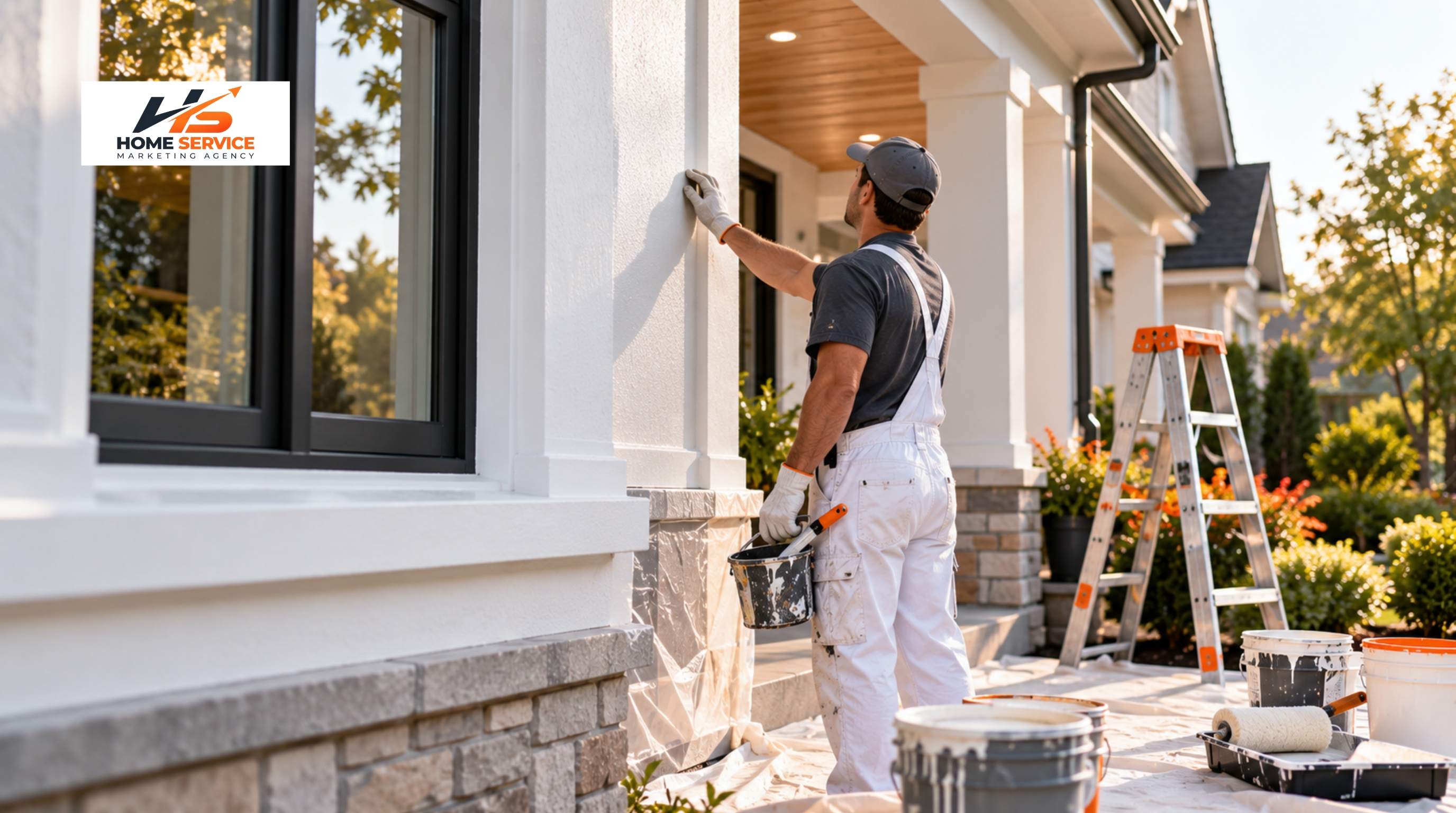
Painting and landscaping: a walkthrough of the transformation, with footage from consistent camera angles.
Keep the opening clear, show the relevant work, and end with a service-area-specific call to action. A strong example is “Need a roof replacement estimate in [your actual service area]? Contact our team.” Avoid fabricated results or promises.
Filming safety comes first. Secure permission to record on private property, protect customer identities, and never compromise workplace safety to capture content.
2. Turn Social Engagement Into Service Inquiries
The original concept of “social commerce” centers on purchasing products inside social apps. Most contractors sell appointments, estimates, repairs, or larger projects instead. For home service businesses, the more valuable goal is social-to-booking conversion.
A homeowner discovering a contractor on Facebook or Instagram should be able to determine what services the company performs, where it operates, and how to request help. Keep profile details current and use a clear action such as Call, Message, or Request an Estimate where supported.
Build a reliable path from interest to appointment
Use a profile description that identifies actual services and locations.
Send traffic to a relevant service landing page rather than an unrelated homepage.
Make phone numbers and estimate forms easy to find on mobile.
Assign incoming direct messages and inquiries to a team member or CRM workflow.
Track whether the inquiry became a qualified lead, appointment, and customer.
For a roofer, a video about storm damage may produce more useful inquiries when it links to a roof inspection request page. For an emergency plumber, a visible phone option may be more practical than a long form. Match the next step to customer urgency.

3. Use Authentic Customer Stories and Project Proof
Before choosing a contractor, homeowners want confidence that the business can complete the work. Real project images, permission-approved customer testimonials, and thoughtful responses to feedback can build that confidence.
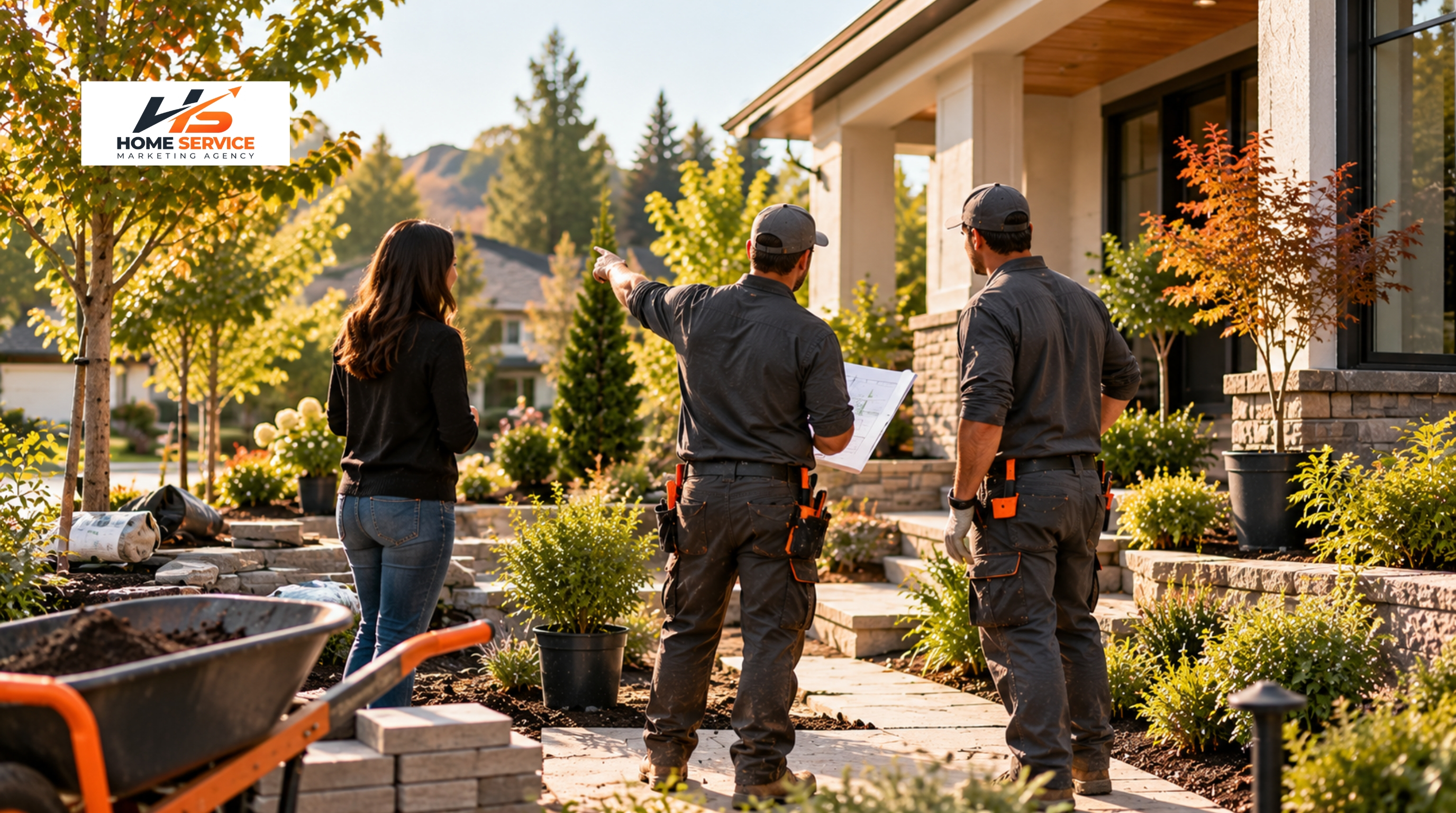
A painting company might publish a short project recap showing preparation, surface protection, and the finished exterior. A landscaping company could document the client’s priorities and the completed installation. These stories are often more informative than generic promotional graphics.
Ask customers for permission before reposting their photos, messages, or personal details. Keep testimonials truthful and representative; avoid editing them into misleading claims. Do not purchase favorable reviews or condition incentives on positive feedback. The FTC’s guidance requires truthful endorsements and appropriate disclosures, while individual platforms may impose stricter review rules.
Project photos may also support your Google Business Profile when they follow Google’s photo and video guidelines. Treat Google Business Profile as a complementary local visibility channel, not as a social media platform.
4. Use AI and Chatbots to Support—Not Replace—Real Customer Service
AI tools can assist contractor marketing by drafting post ideas, proposing captions, organizing content calendars, and helping route common inquiries. Chatbots and automated replies can acknowledge a request when the office is busy, but they should not invent availability, estimate prices, or make technical promises without verified information.
For example, an HVAC company may use an automated response to collect the service city, contact details, and preferred callback window. A human team member can then confirm urgency, scheduling, and the next step. Escalation to a person is especially important for safety-sensitive or unusual service situations.
Automation should protect customer information and honor applicable privacy, consent, and messaging requirements. Track response time, missed inquiries, and booked appointments rather than counting chatbot conversations as successful leads.

5. Participate in Local Communities With Useful Expertise
Local Facebook groups, neighborhood communities, and topic-specific forums can help home service businesses understand homeowner questions and develop recognition in their service area. Participation works best when it helps the community rather than repeatedly posting advertisements.
A landscaper might explain seasonal irrigation considerations relevant to the local climate. A roofer might discuss what homeowners should document after a storm, without using fear-based claims. A plumbing business might answer a general question while making clear when professional assistance is appropriate.
Follow each group’s promotional rules, avoid manufactured recommendations, and disclose business relationships when relevant. The goal is to earn trust over time, not to turn every conversation into a sales pitch.
How to Measure Social Media Marketing Results for Contractors
Views, followers, likes, and shares can help assess content reach, but they are not the same as booked work. The key business question is how many qualified inquiries and customers each channel contributes.
For practical reporting, measure the number of inquiries, the percentage that match your service area and job type, booked estimates, closed jobs, and acquisition cost where the data can be attributed reliably. A hypothetical roofing campaign producing 30 messages but only one qualified estimate request may be less valuable than a smaller campaign producing six serious inquiries. These figures are illustrative, not industry benchmarks.
Use consistent lead-source fields in your CRM, dedicated landing pages where appropriate, platform insights, and call tracking if suitable. Review results by trade, location, and project type. A test-and-learn approach is more useful than assuming the channel with the most engagement is the most profitable.

Which Social Platforms Should Contractors Prioritize?
The right mix depends on where your buyers research service providers and what your team can maintain consistently. Instagram and Facebook are natural places to test visual project stories and local interactions. YouTube Shorts can extend the life of concise how-it-works demonstrations. Community groups can be helpful for local relationship-building, subject to their rules. Choose a manageable starting set and measure qualified inquiries before expanding.
Build a Social Media Strategy That Produces More Than Likes
Strong social media marketing for home service companies connects visible craftsmanship, authentic proof, responsive communication, and lead tracking. Roofing, HVAC, plumbing, landscaping, painting, electrical, and remodeling businesses can apply these principles without trying to become full-time content creators.
Home Service Marketing Agency helps contractor businesses connect marketing activity with lead-generation goals. If you want a practical plan for your service area, visit Home Service Marketing Agency to explore our contractor marketing approach and request a conversation about your opportunities.